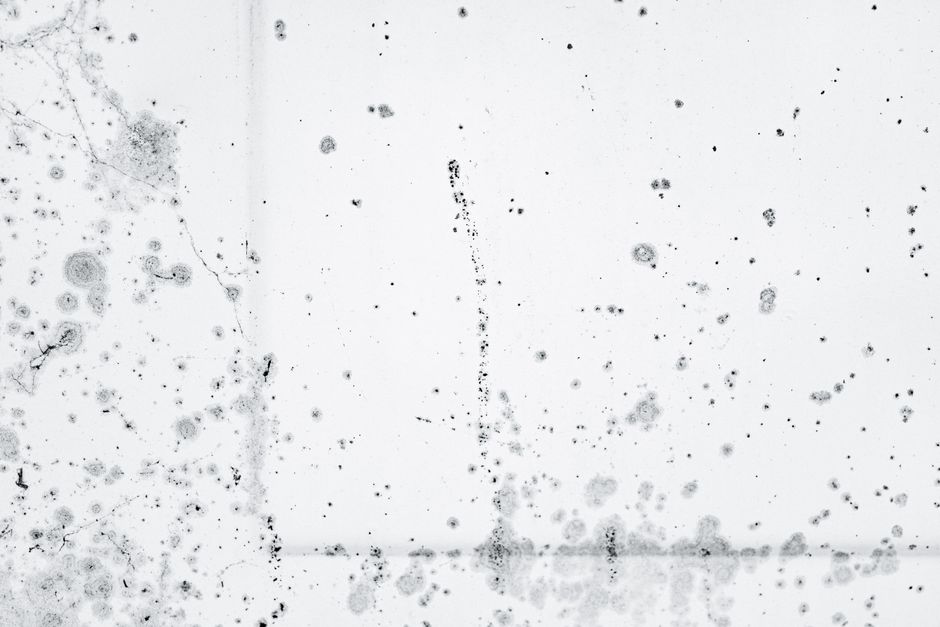
Black mold removal Charleston SC services are essential for homeowners facing the hidden dangers of toxic mold growth in their properties. The humid climate and frequent rainfall in Charleston create ideal conditions for black mold colonies to thrive, leading to potential health risks such as respiratory issues and allergic reactions.
Untreated mold can cause structural damage, compromising wood, drywall, and insulation integrity. Professional black mold removal Charleston SC contractors typically use specialized equipment and methods to identify and eliminate mold safely, preventing recurrence. Homeowners looking for reliable remediation should expect thorough assessments, containment procedures, and proper disposal of contaminated materials.
Understanding the importance of prompt and effective black mold removal Charleston SC can protect your property investment and ensure a healthier living environment for your family.
Quick Takeaways on Black Mold Removal in Charleston, SC
- Black mold removal in Charleston, SC requires addressing both visible mold and underlying moisture issues to prevent recurrence.
- Professional mold remediation contractors typically use containment methods, HEPA filtration, and safe chemical treatments.
- Homeowners should expecthumid environments common to Charleston’s climate.
- Removal costs vary based on mold extent, affected square footage, and necessary structural repairs.
- Timely mold removal is critical to avoid health risks like respiratory issues and structural damage due to prolonged mold growth.
Understanding Black Mold and Its Health Risks in Charleston, SC
Black mold, scientifically known as Stachybotrys chartarum, is a common indoor fungus that thrives in environments with persistent humidity and moisture. In Charleston, SC, the combination of coastal climate and high humidity levels creates ideal conditions for black mold to develop, especially in areas with water damage or poor ventilation.
This type of mold appears as dark greenish-black patches and can grow on materials like drywall, wood, and insulation.
Health risks associated with black mold exposure are a significant concern for residents of Charleston. Prolonged contact or inhalation of mold spores can lead to a range of respiratory issues, including coughing, wheezing, and nasal congestion.
Individuals with allergies, asthma, or weakened immune systems may experience exacerbated symptoms or more severe reactions. Additionally, black mold produces mycotoxins that pose potential long-term health hazards such as chronic fatigue and neurological symptoms.
Homeowners in Charleston should be aware that black mold growth often stems from untreated leaks, flooding, or condensation problems. Because it can remain hidden behind walls or under flooring, early detection is challenging yet critical to prevent structural damage and mitigate health risks.
Persistent mold growth not only compromises indoor air quality but also weakens building materials, leading to costly repairs.
How Charleston’s Climate Contributes to Black Mold Growth
Charleston’s humid subtropical climate plays a significant role in fostering black mold growth within residential and commercial buildings. The city experiences consistently high humidity levels, often exceeding 70 percent during warmer months, creating an environment where mold spores can thrive on porous surfaces like wood, drywall, and insulation.
This persistent moisture is a critical factor that local mold remediation contractors frequently cite when addressing mold infestations.
Rainfall patterns in Charleston further exacerbate the problem. With an average annual precipitation of approximately 50 inches, water intrusion through leaks, flooding, or poor drainage is common. Standing water and damp conditions inside structures provide ideal substrates for black mold colonies to establish and expand rapidly.
Property owners should be aware that even minor water damage can escalate into serious mold growth issues if left unaddressed.
Temperature ranges in Charleston also contribute to mold proliferation. Mild winters and hot summers maintain indoor temperatures between 60 and 85 degrees Fahrenheit, which aligns with the optimal range for Stachybotrys chartarum development.
These conditions, combined with elevated humidity and frequent moisture exposure, create a persistent risk environment for black mold outbreaks.
Key Climatic Factors Driving Mold Growth in Charleston
- High Humidity: Sustained indoor and outdoor humidity levels above 60% encourage mold spore germination.
- Heavy Rainfall: Annual precipitation near 50 inches increases water intrusion risks.
- Mild Temperatures: Consistent warmth between 60°F and 85°F supports fungal metabolism.
- Poor Ventilation: Common in older Charleston buildings, leading to trapped moisture.
Understanding how Charleston’s specific climate factors contribute to black mold growth helps homeowners and business operators anticipate potential problems. Local mold remediation contractors typically recommend monitoring humidity and promptly addressing water issues to mitigate the risks associated with this persistent environmental challenge.
Professional Black Mold Removal Services Available in Charleston, SC
Professional black mold removal services in Charleston, SC typically begin with a thorough inspection to identify the presence and extent of mold colonies. This initial assessment often includes moisture mapping and air quality testing to detect hidden mold growth behind drywall or inside insulation.
Accurate inspection helps contractors determine the appropriate scope of remediation and prevents further structural damage.
Containment is a critical step in local black mold removal processes. Charleston remediation contractors typically use specialized barriers and negative air pressure systems to isolate affected areas. This approach minimizes the spread of mold spores throughout the home, protecting unaffected spaces and reducing the risk of cross-contamination during removal.
Removal methods in Charleston often involve physical extraction of contaminated materials like wood, drywall, and insulation, combined with the application of antimicrobial agents. Professional companies usually follow industry guidelines to ensure complete eradication of black mold, addressing both visible and hidden infestations.
Proper disposal of mold-infested debris is also standard practice to prevent recontamination.
Preventative Measures Offered by Local Mold Remediation Contractors
- Moisture control solutions: Installation of dehumidifiers or improved ventilation to maintain ideal humidity levels.
- Waterproofing services: Sealing foundations and walls to prevent water intrusion, a common cause of mold growth.
- Post-remediation inspections: Follow-up assessments to verify that mold has been effectively removed and conditions are stable.
- Education on maintenance: Guidance for homeowners on how to monitor humidity and address leaks promptly.
Homeowners in Charleston looking for reliable black mold removal can expect these comprehensive services from local experts. Engaging with vetted contractors via a lead aggregator platform ensures access to professionals experienced in managing the unique challenges posed by Charleston’s climate and building materials.
Common Mistake to Avoid
Many homeowners in Charleston, SC mistakenly attempt black mold removal without addressing the underlying humidity levels that promote mold growth. This oversight often leads to recurring mold colonies and ongoing health risks.
Professional mold remediation contractors typically emphasize controlling moisture to prevent future infestations and avoid structural damage to wood drywall and drywall insulation.
Step-by-Step Process of Black Mold Remediation in Charleston Homes
The mold remediation process in Charleston homes typically begins with a comprehensive assessment to identify the extent of mold growth and affected materials. Contractors usually perform detailed inspections of areas prone to moisture intrusion, such as basements, crawl spaces, and behind drywall.
This initial step often includes moisture mapping and air quality testing to detect hidden mold colonies and quantify mold spores concentration.
Following the assessment, professional remediation contractors develop a tailored plan focusing on the safe removal of black mold from porous materials like wood, drywall, and drywall insulation. The process generally involves containment of the affected area using negative air pressure and plastic sheeting to prevent cross-contamination.
Specialized cleaning agents and biocides are typically applied to eradicate visible mold and inhibit regrowth.
Typical Steps in Black Mold Remediation for Charleston Properties
- Inspection and Assessment: Identification of mold-infested areas and moisture sources using visual and technological methods.
- Containment: Isolation of contaminated zones to protect unaffected spaces and ensure safety.
- Mold Removal: Physical removal of mold-infested materials combined with thorough cleaning of structural surfaces.
- Drying and Dehumidification: Use of industrial-grade equipment to reduce humidity levels, which is critical in Charleston's humid climate.
- Restoration: Repair or replacement of removed building materials to restore structural integrity.
- Clearance Testing: Post-remediation air sampling and surface testing to verify that mold spores are within safe limits before reoccupancy.
The final clearance testing stage ensures that the remediation has effectively eliminated the black mold threat, reducing potential health risks and structural damage. Homeowners in Charleston should expect this detailed, multi-step approach when engaging with local mold remediation contractors, given the city's unique environmental challenges related to moisture and humidity.
Cost Factors and Typical Pricing for Black Mold Removal in Charleston, SC
The cost of black mold removal in Charleston, SC varies widely depending on several key factors. Local remediation contractors typically assess the size of the affected area, the extent of mold colonies, and the degree of structural damage to determine pricing.
Homes with minor surface mold on non-porous materials may incur lower costs, while extensive contamination involving wood drywall or drywall insulation often requires more intensive treatment and higher expenses.
Additional cost drivers include the methods used for mold removal, such as containment procedures, air filtration systems, and disposal of contaminated materials. Charleston’s humid climate can necessitate more thorough drying and dehumidification steps, impacting the overall timeline and cost.
Furthermore, remediation contractors typically factor in the need for post-remediation testing to ensure that mold spores are effectively eliminated, which can add to the final invoice.
Typical Pricing Range and Timeline Expectations
Homeowners in Charleston should expect black mold removal pricing to generally range from $500 to $6,000 or more, depending on the severity and square footage involved.
Small-scale mold remediation projects often fall within the lower end of this spectrum, while extensive infestations requiring structural repairs can push costs toward the higher end.
The timeline for black mold remediation in Charleston usually spans from a couple of days to over a week. Contractors typically allocate time for initial inspection, containment setup, mold removal, material replacement if necessary, and final clearance testing.
Understanding these variables helps homeowners plan financially and schedule repairs with minimal disruption.
Pro Tip
Homeowners in Charleston, SC should prioritize addressing humidity levels to prevent recurring black mold growth. Using dehumidifiers and ensuring proper ventilation can significantly reduce the risk of mold colonies forming on wood, drywall, and insulation.
When selecting remediation contractors, verify their experience with humid climate challenges typical to Charleston to ensure effective mold removal and long-term prevention.
Preventative Measures to Avoid Black Mold Growth in Charleston Properties
Homeowners and businesses in Charleston, SC should prioritize mold prevention strategies tailored to the region’s humid climate. Effective humidity control is crucial, as maintaining indoor relative humidity below 60% significantly reduces the risk of mold growth.
Utilizing dehumidifiers and air conditioning units equipped with humidity sensors can help regulate moisture levels in enclosed spaces.
Proper ventilation plays a vital role in mitigating mold colonies. Charleston properties often benefit from mechanical ventilation systems that exchange stale, moist air with fresh outdoor air.
Installing exhaust fans in moisture-prone areas such as bathrooms, kitchens, and laundry rooms helps prevent the accumulation of water vapor on surfaces like wood, drywall, and insulation.
Additional Mold Prevention Tips for Charleston Properties
- Regular inspections: Schedule routine checks for leaks in roofs, windows, and plumbing systems to address water intrusion before it fosters mold.
- Water drainage: Ensure gutters and downspouts direct water away from the foundation to avoid soil saturation and structural damage.
- Prompt repairs: Address any signs of water damage or condensation immediately to inhibit mold spores from settling and multiplying.
- Use mold-resistant materials: When renovating, opt for mold-resistant drywall and insulation products that withstand moisture better than standard options.
- Control indoor plants: Overwatering indoor plants can elevate humidity levels; proper care minimizes this risk.
By implementing these preventative measures, Charleston residents can reduce the likelihood of black mold growth, safeguarding both property integrity and occupant health. For those seeking further assistance, getting matched with vetted mold remediation contractors via a provides access to professionals familiar with local environmental challenges.
Choosing the Right Black Mold Removal Company in Charleston, SC
Selecting a reliable black mold removal company in Charleston, SC requires careful consideration of several key factors. Homeowners should prioritize contractors with recognized certifications from industry organizations such as the Institute of Inspection, Cleaning and Restoration Certification (IICRC).
These credentials demonstrate adherence to established mold remediation standards and best practices, ensuring safe and effective mold removal.
In addition to certifications, evaluating and is crucial when choosing a local mold remediation service. Positive feedback from previous clients in Charleston often reflects a company’s professionalism, reliability, and ability to address mold growth issues in humid climates like Charleston’s.
Homeowners should look for contractors who communicate clearly about the scope of work, pricing, and expected outcomes.
Key Criteria for Selecting a Black Mold Removal Company
- Certifications and Training: Verify that technicians hold relevant certifications such as IICRC or similar industry credentials.
- Experience with Local Conditions: Choose companies familiar with Charleston’s humid climate and common mold-prone materials like wood drywall.
- Transparent Pricing: Reliable contractors provide detailed estimates outlining costs for inspection, removal, and any necessary repairs.
- : Check multiple review platforms to assess satisfaction levels and responsiveness.
- Insurance and Compliance: Ensure the company complies with local regulations and maintains appropriate insurance coverage for mold remediation.
Homeowners in Charleston, SC looking for professional black mold removal should expect a thorough vetting process when selecting a contractor.
Utilizing a lead aggregator service can streamline this search by connecting residents with vetted companies that meet these essential criteria, helping to protect property value and reduce health risks associated with mold colonies.
Black Mold Removal Services Cost Breakdown in Charleston, SC
| Service Type | Cost Range | Typical Timeline |
|---|---|---|
| Initial Mold Inspection and Assessment | $200 - $600 | 1 to 2 days |
| Containment and Air Filtration Setup | $300 - $800 | 1 day |
| Surface Mold Removal (e.g., drywall, wood) | $500 - $3,000 | 2 to 4 days |
| Structural Mold Remediation and Repairs | $2,000 - $6,000 | 1 to 2 weeks |
| Post-Remediation Testing and Clearance | $150 - $400 | 1 day |
Frequently Asked Questions
How long does mold remediation take?
Most mold remediation projects in Charleston typically last between 1 and 2 weeks, depending on the extent of mold growth and affected materials like drywall insulation. Larger infestations involving structural elements may extend the timeline due to increased removal and drying efforts.
Can homeowners perform black mold removal themselves?
Homeowners should exercise caution when attempting black mold removal due to potential health risks and the need for proper containment. Inadequate removal can lead to mold spores spreading and worsening mold colonies. Professional contractors typically have the equipment and expertise to handle extensive infestations safely.
What areas of a home are most vulnerable to black mold growth?
Areas with persistent humidity levels such as basements, bathrooms, and spaces with water leaks are highly susceptible to black mold growth. Materials like wood, drywall, and drywall insulation can retain moisture, promoting mold colonies and potential structural damage.
How can mold remediation contractors ensure mold does not return?
Professional contractors typically focus on eliminating moisture sources and improving ventilation to reduce humidity levels. They also recommend preventative measures such as sealing leaks and using mold-resistant materials to inhibit future mold growth, preserving the property’s integrity in Charleston’s humid climate.
What are common signs that indicate a mold problem?
Homeowners in Charleston often notice musty odors, visible black or greenish stains on walls, or peeling paint as indicators of mold growth. Allergic reactions or respiratory issues can also signal hidden mold colonies, especially in areas with high humidity levels.
Homeowners in Charleston, SC facing black mold infestations should prioritize timely intervention to prevent structural damage and mitigate health risks. Engaging with local mold remediation contractors ensures proper handling of mold colonies on materials like wood drywall and insulation, especially in this region’s humid climate.
Understanding the complexities of mold removal and the necessary steps can safeguard property value and occupant well-being.
Get matched with vetted Mold Remediation in Charleston, SC via our to connect with certified experts offering comprehensive assessments and tailored solutions for your property’s needs.